Dutch Culture and Traditions
Holidays, traditional foods, marriage customs, and everyday Dutch culture — everything you need for the KNM exam.
Holidays and Celebrations
| Holiday | Date | What Happens |
|---|---|---|
| Eerste Kerstdag | 25 december | First Christmas Day |
| Tweede Kerstdag | 26 december | Second Christmas Day |
| Oud en Nieuw | 31 dec - 1 jan | New Year's Eve/Day |
| Koningsdag | 27 april | King's Day |
| Dodenherdenking | 4 mei | Remembrance of WWII victims |
| Bevrijdingsdag | 5 mei | Liberation Day |
| Sinterklaas | 5 december | St. Nicholas Day |
| Pasen | Spring (varies) | Easter |
Traditional Dutch Foods
Oud en Nieuw — Oliebollen
Oliebollen are traditional fried dough balls eaten on New Year's Eve. They're sold at special stands called oliebollenkraam.
Sinterklaas — Pepernoten and Speculaas
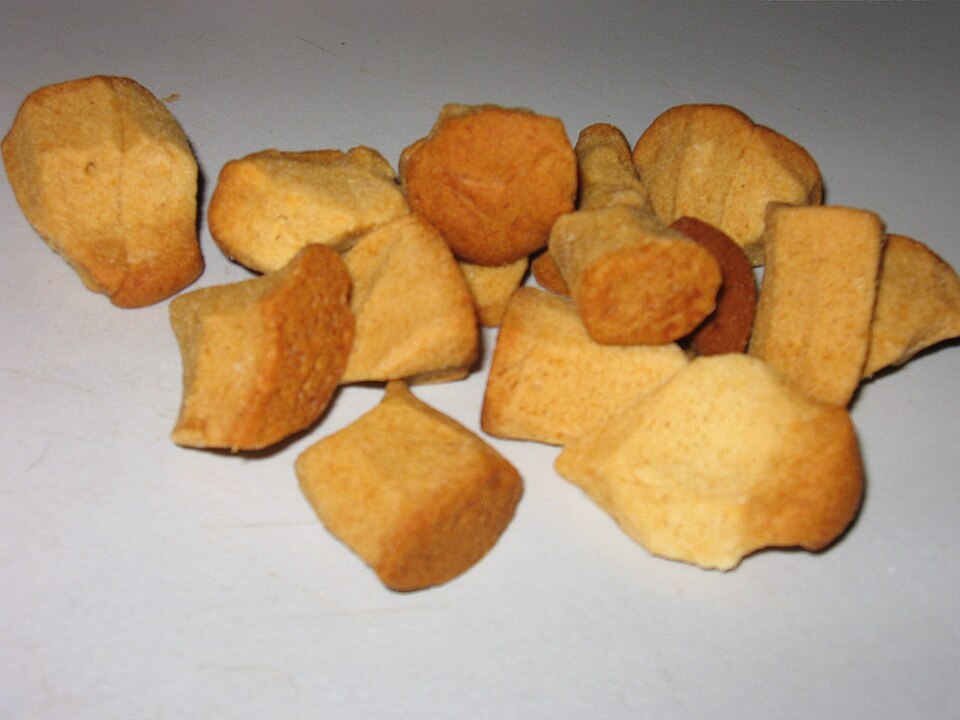
Pepernoten are small, spiced cookies associated with Sinterklaas:
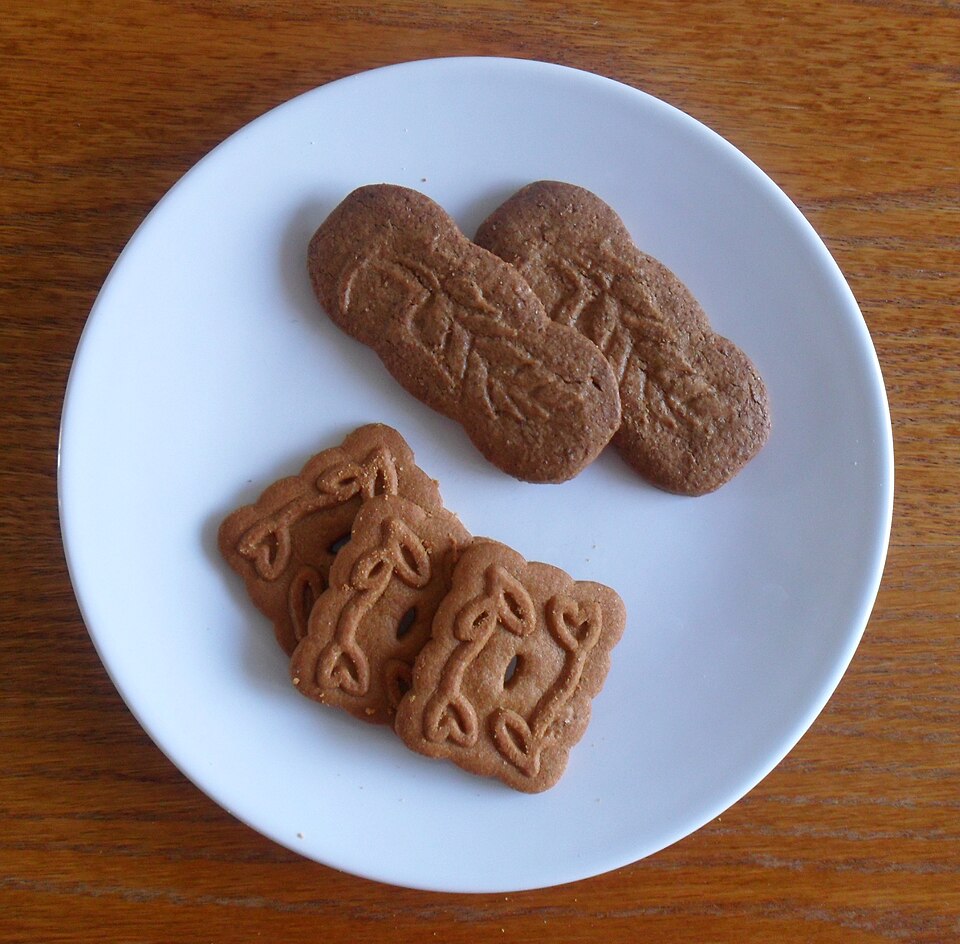
Speculaas are thin, flat spiced cookies with embossed patterns:
Baby Born — Beschuit met Muisjes
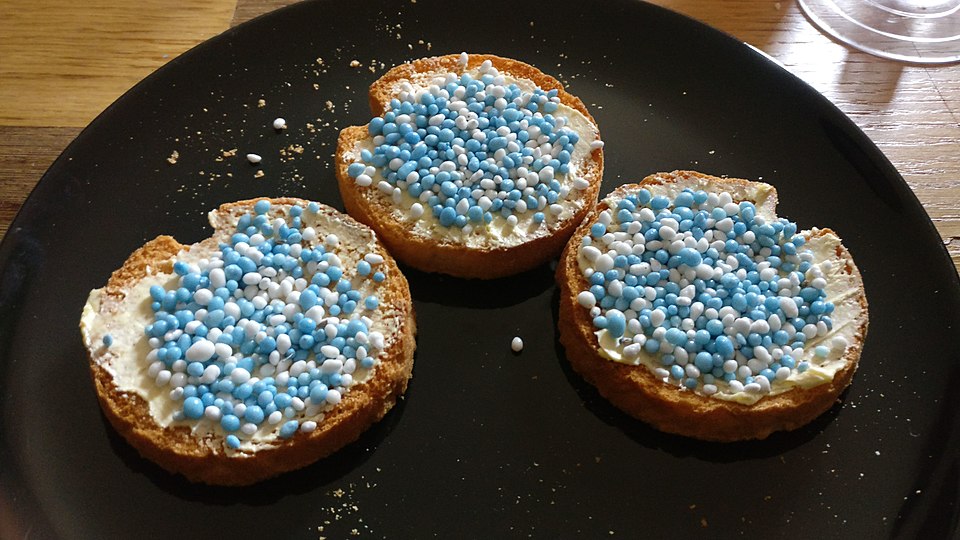
When a baby is born, the Dutch celebrate with beschuit met muisjes — a rusk topped with anise-flavored sprinkles. Pink muisjes for a girl, blue for a boy.
Samenwonen and Marriage
Unmarried couples may live together (samenwonen — dat mag). No samenlevingscontract (cohabitation agreement) is required, but you must report it to the gemeente.
Marriage: Same-sex marriage has been legal since 2001. Two men or two women may marry (dat mag).
Want the complete guide?
Get the latest updated KNM resources — including vocabulary lists, exam tips, practice questions, and all remaining sections for Dutch Culture & Traditions.
Always up-to-date with the latest KNM exam content