Dutch History and Geography
Key historical events, geography, and national symbols you need to know for the KNM exam.
Last updated:
Tweede Wereldoorlog (World War II)
- The Holocaust: the systematic murder of Jewish people happened during WWII
- Many Jewish Dutch people (Joodse Nederlanders) were sent to camps and killed
- Not during WWI or the Cold War — this is a common exam trap
Dodenherdenking and Bevrijdingsdag
Dodenherdenking (Remembrance Day)
- 4 mei (May 4th)
- Remembers all victims of WWII
- Two minutes of silence at 8:00 PM
Bevrijdingsdag (Liberation Day)
- 5 mei (May 5th)
- Celebrates the end of Nazi occupation in 1945
- National holiday (though not everyone has the day off)
Deltawerken (Delta Works)
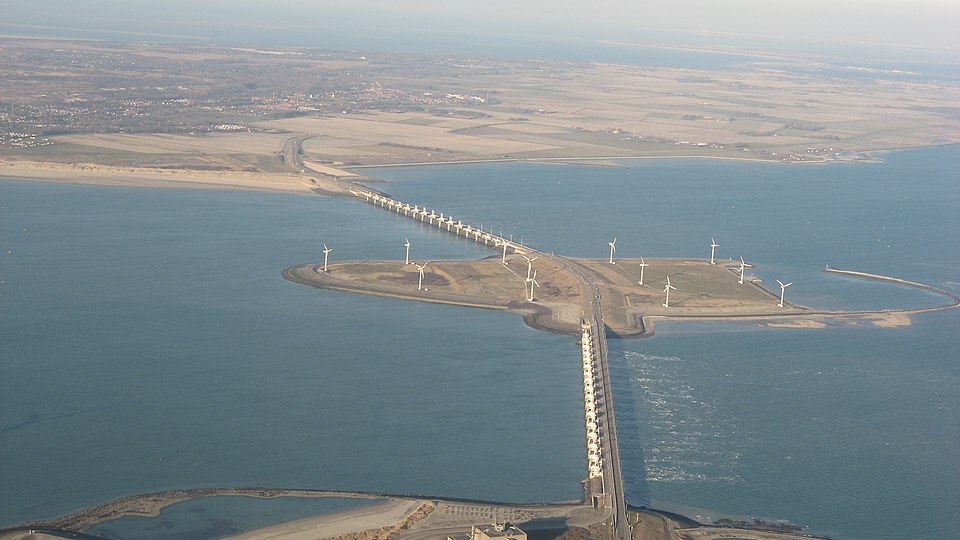
- Built to protect the Netherlands from the sea (beschermen tegen de zee)
- Not for fishing or building cities
- Built in response to the 1953 flood disaster (Watersnoodramp)
- The Oosterscheldekering is the largest storm surge barrier — 9 km long with 65 pillars
Nederlandse Kolonies (Dutch Colonies)
- Suriname was a Dutch colony
- Not Argentina or Venezuela
- Suriname became independent in 1975
Geography and National Symbols
De hoofdstad (the capital) is Amsterdam, in the province of Noord-Holland. Zuid-Holland is where Rotterdam and Den Haag (The Hague) are. Gelderland is the largest province by land area; its capital is Arnhem. Noord-Holland's capital is Haarlem.
VN / Verenigde Naties (United Nations): The goal is peace and security (vrede en veiligheid) — not education or nature protection.
Het Wilhelmus is the Dutch national anthem (volkslied) — not the constitution or the football team.
Want the complete guide?
Get the latest updated KNM resources — including vocabulary lists, exam tips, practice questions, and all remaining sections for History & Geography.
Always up-to-date with the latest KNM exam content
Frequently Asked Questions
When did the Holocaust occur and what was it? +
The Holocaust was the systematic murder of Jewish people during World War II. Many Joodse Nederlanders (Dutch Jews) were deported to camps and killed. This happened during WWII, not WWI or the Cold War.
What is Dodenherdenking and when is it commemorated? +
Dodenherdenking (Remembrance Day) is on May 4th (4 mei) and remembers all victims of WWII. At 8:00 PM there is two minutes of silence. The next day, May 5th, is Bevrijdingsdag (Liberation Day), which celebrates the end of Nazi occupation in 1945.
What are the Deltawerken and why were they built? +
The Deltawerken (Delta Works) were built to protect the Netherlands from the sea (beschermen tegen de zee). They were built in response to the 1953 flood disaster (Watersnoodramp). The Oosterscheldekering is the largest storm surge barrier — 9 km long with 65 pillars.
Which country was a Dutch colony and is now independent? +
Suriname was a Dutch colony and became independent in 1975. Argentina and Venezuela were never Dutch colonies.
What is the capital of the Netherlands and which province is it in? +
Amsterdam is the capital (de hoofdstad) and lies in the province of Noord-Holland. Rotterdam and Den Haag (The Hague) are in Zuid-Holland. Gelderland is the largest province by land area; its capital is Arnhem.
Official sources
- Netherlands Worldwide — official portal (English)↗
- Nationaal Comité 4 en 5 mei↗
- Geheugen van Nederland — historical archive↗
Information on this page is summarised for study purposes. Refer to the official sources above for binding rules and current details.