Dutch Culture and Traditions
Holidays, traditional foods, marriage customs, and everyday Dutch culture — everything you need for the KNM exam.
Last updated:
Holidays and Celebrations
| Holiday | Date | What Happens |
|---|---|---|
| Eerste Kerstdag | 25 december | First Christmas Day |
| Tweede Kerstdag | 26 december | Second Christmas Day |
| Oud en Nieuw | 31 dec - 1 jan | New Year's Eve/Day |
| Koningsdag | 27 april | King's Day |
| Dodenherdenking | 4 mei | Remembrance of WWII victims |
| Bevrijdingsdag | 5 mei | Liberation Day |
| Sinterklaas | 5 december | St. Nicholas Day |
| Pasen | Spring (varies) | Easter |
Traditional Dutch Foods
Oud en Nieuw — Oliebollen
Oliebollen are traditional fried dough balls eaten on New Year's Eve. They're sold at special stands called oliebollenkraam.
Sinterklaas — Pepernoten and Speculaas
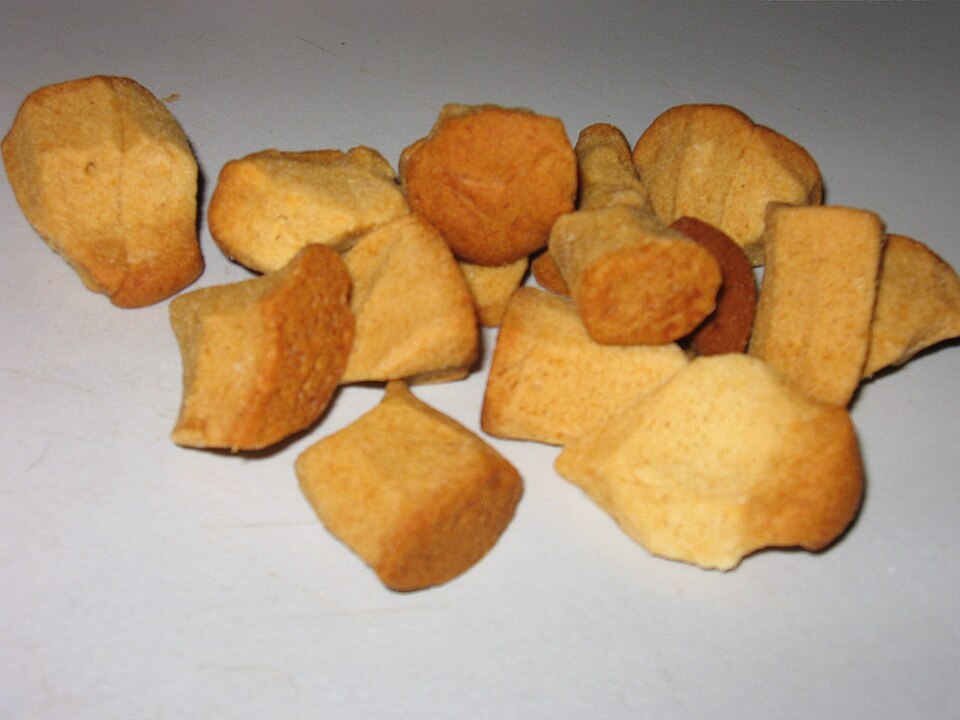
Pepernoten are small, spiced cookies associated with Sinterklaas:
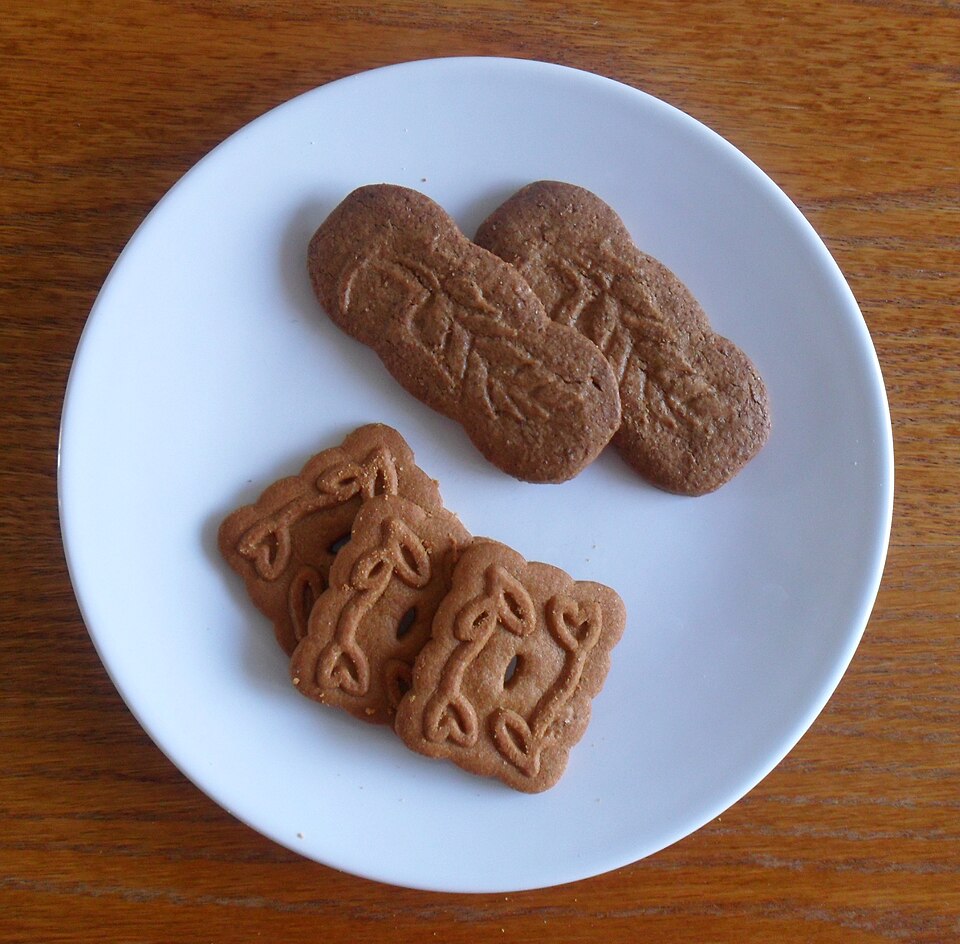
Speculaas are thin, flat spiced cookies with embossed patterns:
Baby Born — Beschuit met Muisjes
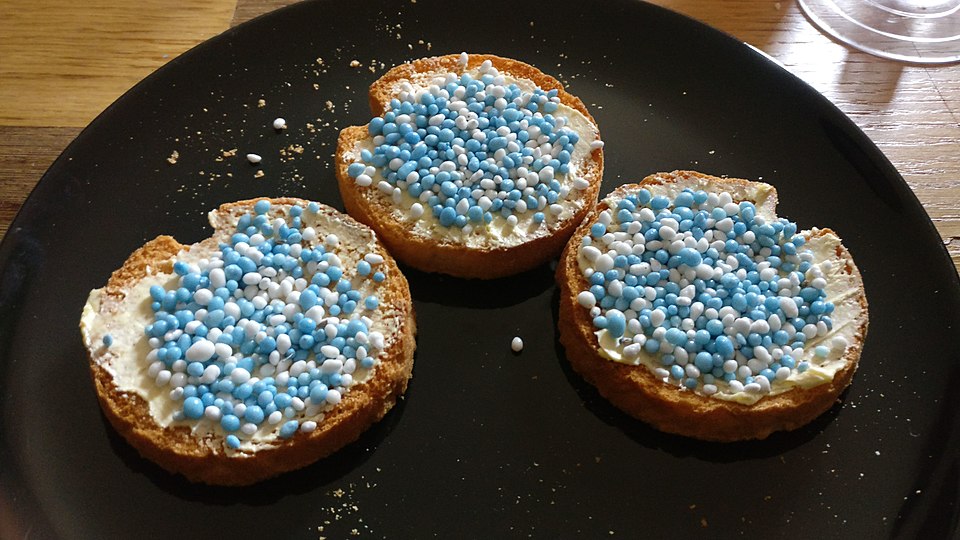
When a baby is born, the Dutch celebrate with beschuit met muisjes — a rusk topped with anise-flavored sprinkles. Pink muisjes for a girl, blue for a boy.
Samenwonen and Marriage
Unmarried couples may live together (samenwonen — dat mag). No samenlevingscontract (cohabitation agreement) is required, but you must report it to the gemeente.
Marriage: Same-sex marriage has been legal since 2001. Two men or two women may marry (dat mag).
Want the complete guide?
Get the latest updated KNM resources — including vocabulary lists, exam tips, practice questions, and all remaining sections for Dutch Culture & Traditions.
Always up-to-date with the latest KNM exam content
Frequently Asked Questions
What is Koningsdag and when is it celebrated? +
Koningsdag (King's Day) is celebrated on April 27th (27 april). It is a major Dutch holiday and cultural celebration, though not everyone gets the day off from work.
What traditional food is eaten on New Year's Eve? +
Oliebollen — fried dough balls — are eaten on New Year's Eve (Oud en Nieuw). They are sold at special stands called oliebollenkraam.
What are pepernoten and speculaas associated with? +
Pepernoten are small spiced cookies associated with Sinterklaas (St. Nicholas Day on December 5th). Speculaas are thin, flat spiced cookies with embossed patterns, also traditionally eaten during the Sinterklaas season.
What is beschuit met muisjes and when is it eaten? +
Beschuit met muisjes is a rusk topped with anise-flavoured sprinkles. When a baby is born, the Dutch celebrate by serving it — pink muisjes for a girl, blue for a boy.
Can unmarried couples live together, and is same-sex marriage legal? +
Unmarried couples may live together (samenwonen — dat mag), but you must report it to the gemeente. You do not need a samenlevingscontract (cohabitation agreement). Same-sex marriage has been legal since 2001 — two men or two women may marry.
What happens on May 4th and May 5th in the Netherlands? +
On May 4th (Dodenherdenking, Remembrance Day) the whole country observes two minutes of silence at exactly 20:00 to remember Dutch victims of war since World War II; the main ceremony is at Dam Square in Amsterdam. May 5th (Bevrijdingsdag, Liberation Day) celebrates the 1945 liberation from German occupation, with festivals across the country.
Whose birthday is it — who brings the cake at a Dutch birthday? +
In the Netherlands the birthday person brings cake or treats to work or school, not the other way around. At a home party it is customary to congratulate not only the birthday person but also their family ("Gefeliciteerd met je moeder/vader"). Punctuality is valued highly, so arrive on time and let people know if you will be late.
How do Dutch people greet each other and communicate? +
Close friends and family often greet with three kisses on alternating cheeks; in professional or first meetings a handshake is standard. Dutch people are known for directness — they say what they mean, which can feel blunt but is not meant to be rude. Tolerance, equality, and individual freedom are core Dutch values that appear often in KNM questions.
When friends eat out, who pays — what is 'going Dutch'? +
"Going Dutch" means each person pays for their own meal. Splitting the bill or paying separately is completely normal in the Netherlands and is not considered rude.
Official sources
- Rijksoverheid — Feestdagen (Dutch public holidays)↗
- Koninklijk Huis — The Dutch Royal House↗
- Government.nl — Dutch culture and society↗
Information on this page is summarised for study purposes. Refer to the official sources above for binding rules and current details.